
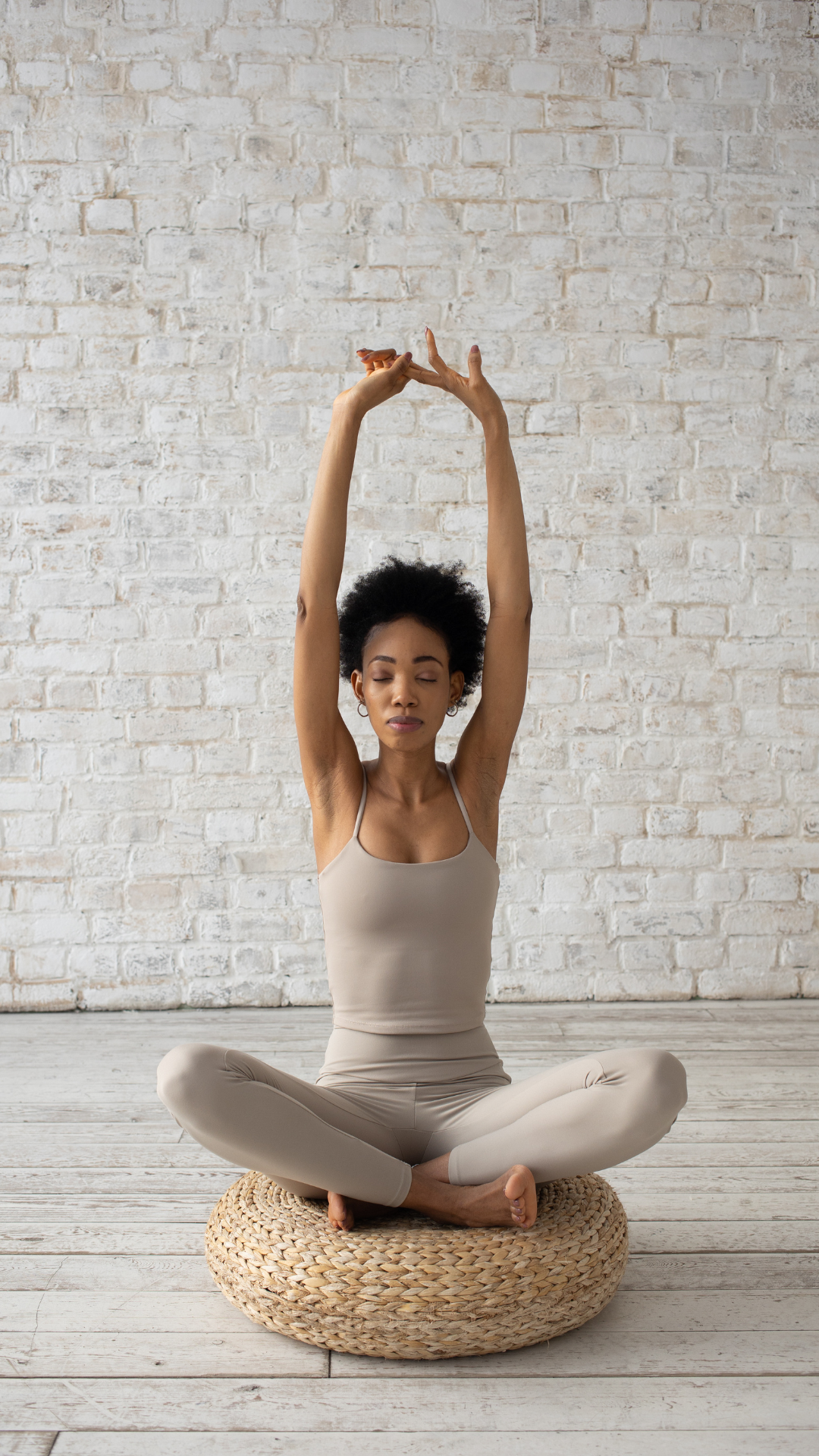

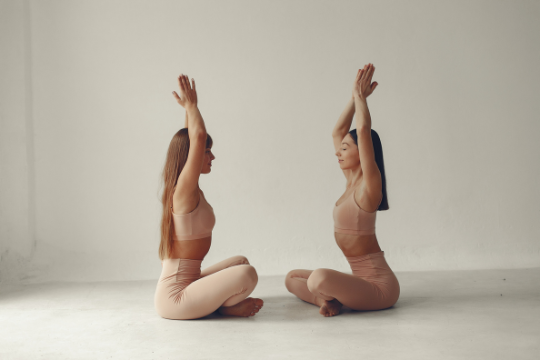
Yoga is an ancient practice originating in India, combining elements of movement, breathing and meditation. There are various styles of yoga, ranging from relaxation (such as Yin Yoga) to more dynamic forms such as Vinyasa and Ashtanga.
Limitations of yoga:
It is not an optimal form of strength training because it does not generate sufficient mechanical load for building muscle mass.
Lack of great progression of loads compared to strength training.
Benefits of yoga:
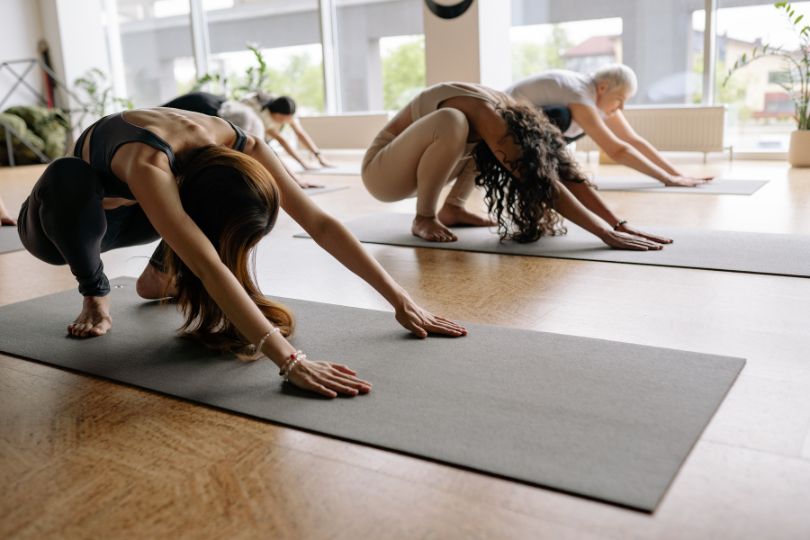
Flexibility and mobility – Studies show that regular yoga practice increases joint range of motion and muscle flexibility (Balasubramaniam et al., 2012).
Stress reduction – Yoga activates the parasympathetic nervous system, lowering cortisol (the stress hormone) levels (Pascoe et al, 2017).
Improved balance and coordination – Especially among the elderly, yoga can reduce the risk of falls (Youkhana et al., 2016).
Cardiovascular benefits – Yoga lowers blood pressure and resting heart rate (Cramer et al., 2014).
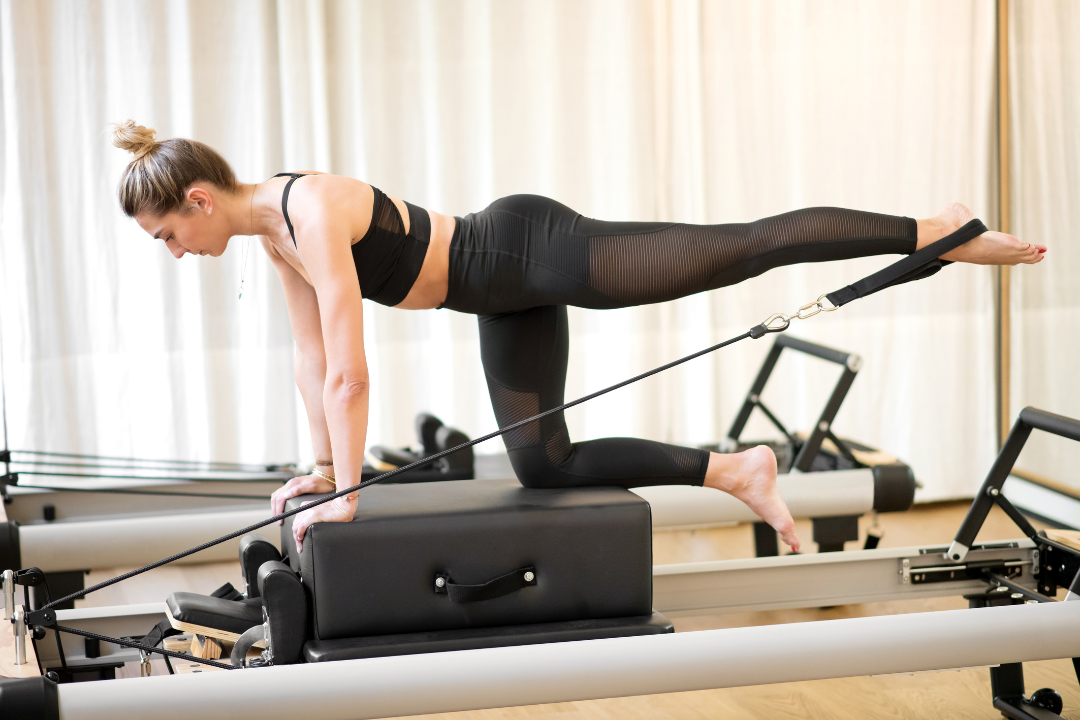
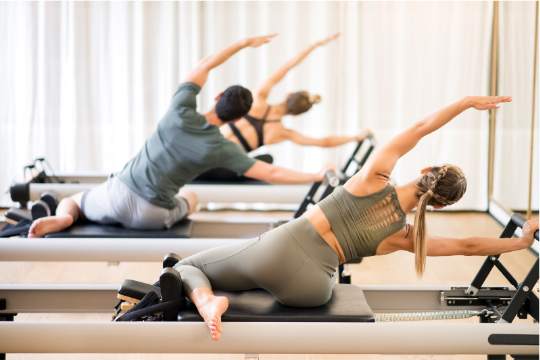
Pilates is an exercise system developed by Joseph Pilates that focuses on muscle control, stabilizing the body and improving posture. It can be performed on a mat or using special equipment (such as a reformer).
Limitations of Pilates:
It does not provide a significant increase in muscle mass.
It does not significantly affect the development of maximal strength.
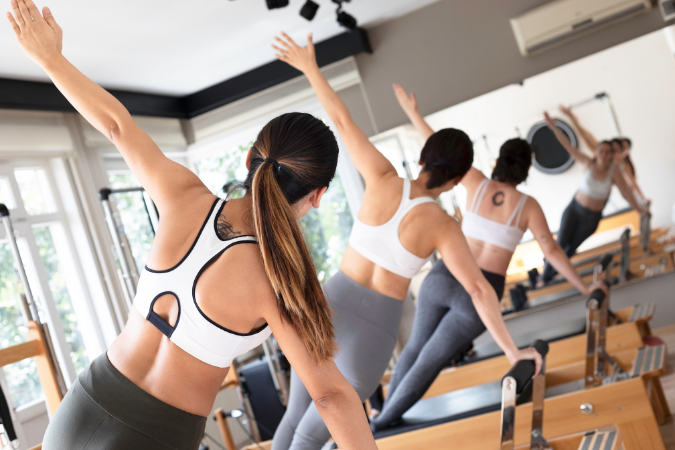
Benefits of Pilates:
Improved deep muscle stability – Studies show that Pilates strengthens abdominal, back and pelvic muscles (Wells et al., 2012).
Reduced back pain – Regular practice of Pilates can reduce chronic lower back pain (Cruz-Diaz et al., 2018).
Improved posture and body awareness – Pilates teaches body control, which can reduce the risk of injury.
Improved strength without putting undue stress on joints – It is often used in rehabilitation after injury.
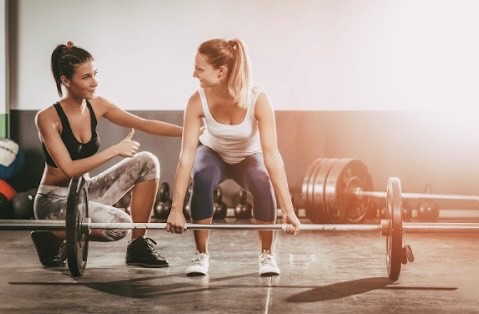
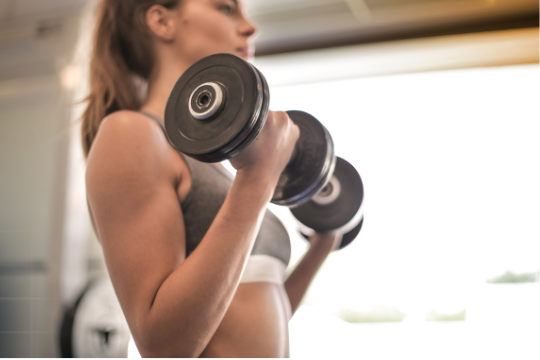
Strength training involves working with resistance (e.g., barbells, dumbbells, machines), which leads to muscle adaptation and strength gains.
Limitations of strength training:
Can lead to greater stress on joints and risk of injury with improper technique.
Does not improve flexibility and mobility as much as yoga or Pilates.
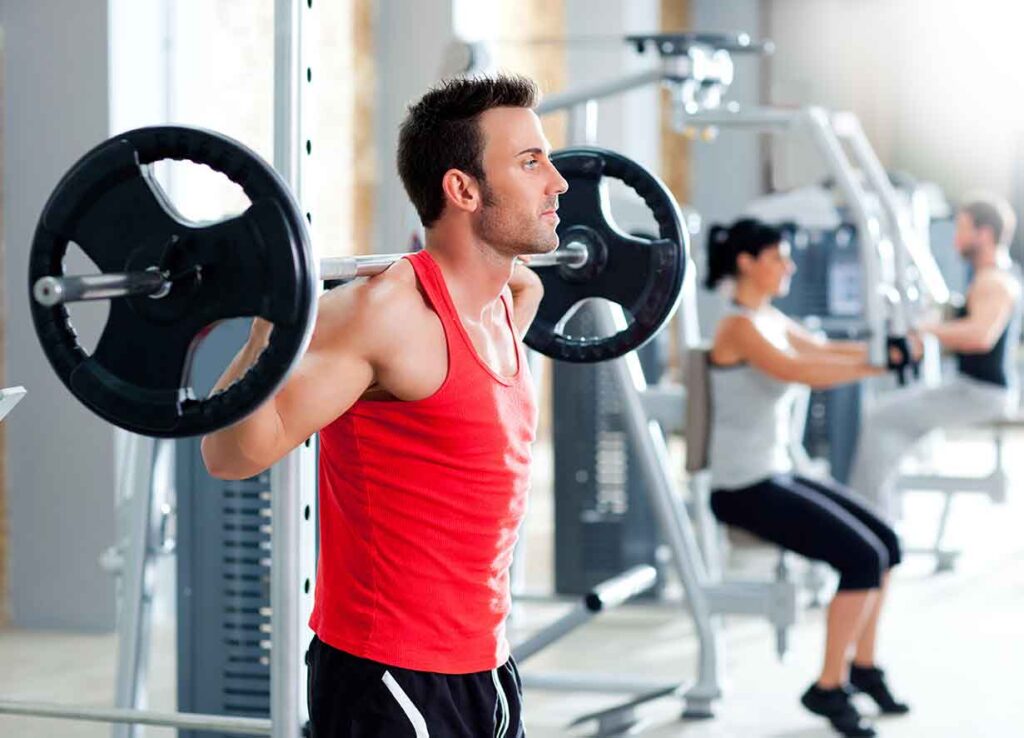
Benefits of weightlifting:
Increased muscle mass and strength – Progressive loading stimulates muscular hypertrophy (Schoenfeld, 2010).
Improved bone health – Strength training increases bone mineral density, reducing the risk of osteoporosis (Weaver et al, 2016).
Improved body composition – Supports fat reduction while maintaining muscle mass (Westcott, 2012).
Metabolic benefits – Increases insulin sensitivity and aids in blood sugar control (Strasser et al., 2012).
It is impossible to say unequivocally which form of activity is best – it all depends on a person’s goal. If the priority is relaxation, stress reduction and flexibility, yoga will be the best choice. If a person is looking for stability, strengthening deep muscles and improving posture, Pilates may be ideal. On the other hand, people who want to build strength, muscle mass and improve metabolic health should bet on weightlifting.
It’s also a good idea to combine different forms of activity – for example, adding elements of yoga or Pilates to a workout plan can help improve mobility and prevent injury in strength-trainees. Each of these forms of activity engages the nervous system in a different way, affecting different aspects of it.
Yoga – the parasympathetic nervous system and neuroplasticity. Yoga activates the parasympathetic (parasympathetic) system, which is responsible for relaxation, recovery and lowering stress levels.
Effects on the nervous system: Stress reduction – reduces cortisol levels, improving nervous system function (Pascoe et al., 2017).
Neuroplasticity – studies have shown that yoga increases gray matter volume in the brain, which may improve memory and cognitive function in older age (Gothe et al, 2019).
Improved autonomic function – increases heart rate variability (HRV), a marker of nervous system health and extended lifespan (Sullivan et al., 2018).
Benefits for aging:
May slow neurodegenerative processes, lowering the risk of dementia.
Increases body awareness and improves balance, reducing the risk of falls.
Pilates – proprioceptive system and central stabilization. Pilates mainly engages the proprioceptive system, which is responsible for awareness of body position in space, as well as the motor system that controls stabilization.
Effects on the nervous system: Strengthening proprioception – Pilates exercises improve neuromuscular control, which is crucial for stability and injury prevention (Wells et al., 2012).
Brain-body integration – improves coordination between the cerebral hemispheres and develops connections between the motor cortex and spinal cord.
Reducing pain and muscle tension – activation of deep postural muscles can lead to a reduction in back pain (Cruz-Diaz et al., 2018).
Benefits for aging:
Reduces the risk of falls and injuries, improving balance and stability.
Can support neurological rehabilitation after strokes or injuries.
Weightlifting – the sympathetic nervous system and neuromuscular adaptations. Lifting weights mainly engages the sympathetic (sympathetic) nervous system, which is responsible for the “fight or flight” response, as well as the neuromuscular system, which is responsible for the strength and control of movement.
Effects on the nervous system: Increased recruitment of motor units – strength training improves the brain’s ability to activate more muscle fibers at the same time (Schoenfeld, 2010).
Increased brain plasticity – regular strength training increases levels of brain-derived neurotrophic factor (BDNF), which promotes neuroplasticity (Cassilhas et al, 2016).
Improved cognitive function – studies indicate that strength training reduces the risk of neurodegenerative diseases such as Alzheimer’s (Liu-Ambrose et al., 2010).
Benefits for aging:
Reduces the risk of sarcopenia (age-related loss of muscle mass).
Supports cognitive abilities and protects against dementia.
Improves motor skills and strength maintenance in later life.
Which form of activity is best for healthy aging? There is no one ideal form of exercise – each has unique benefits.
Yoga – best for stress reduction, neuroplasticity and cognitive function.
Pilates – great for proprioception, stabilization and protection against falls.
Weightlifting – crucial for maintaining strength, bone density and neuromuscular function.
Ideally for the aging body, a combination of these methods – yoga or Pilates for mobility and balance, and strength training for maintaining strength and neuromuscular function.
