




If you’ve ever worked with a professional trainer or nutritionist, you’ve probably heard: “you need to consume more protein”. Hopefully everyone has explained to you why, and if not – keep reading!
Protein is a macronutrient that is essential for building muscle mass. The more muscle mass you have, the “leaner” you look. What’s more, muscle mass speeds up your metabolism, so you burn more calories even at rest. Protein is commonly found in animal products, but is also found in other sources such as nuts and legumes.
OK, we already know what protein is and how it works, but why is its consumption so important and how much should we take in?
“When protein is broken down in the body, it helps build muscle mass, which supports metabolism,” says Jessica Crandall, a registered dietitian, certified diabetes educator and national spokesperson for the Academy of Nutrition and Dietetics. Not only that, protein also boosts the immune system and helps keep it strong. Of all macronutrients, protein takes the longest to digest, so the feeling of satiety lasts longer. This is especially important for people whose goal is to lose weight.
How much protein should we consume?
Protein intake levels range from 0.8 grams of protein per kilogram of body weight to 2 grams of protein per kilogram for physically active people. Most of the population should consume about 1 to 1.2 grams of protein per kilogram of body weight.
Click below to calculate your daily protein requirements!
What is the best source of protein, you might ask?
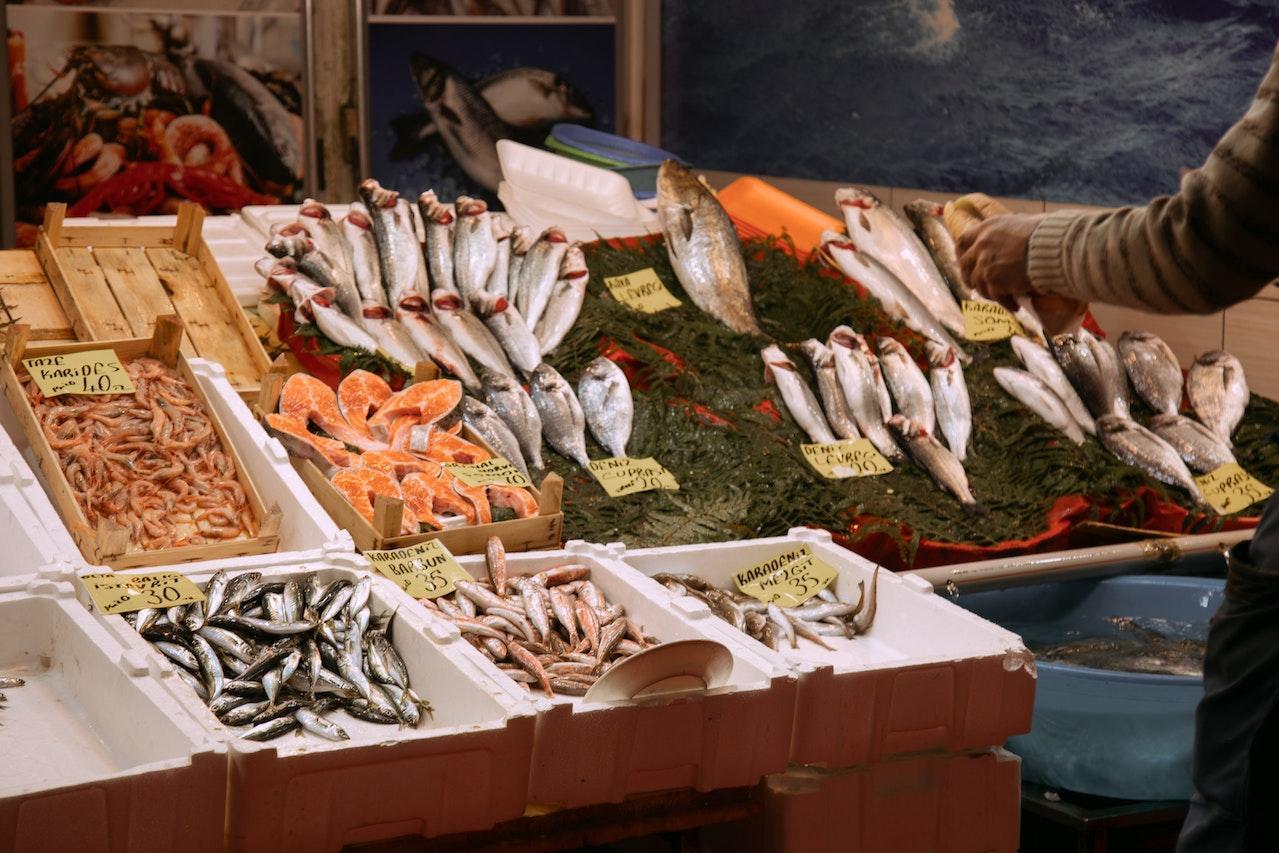
Meat and fish products high in protein are:
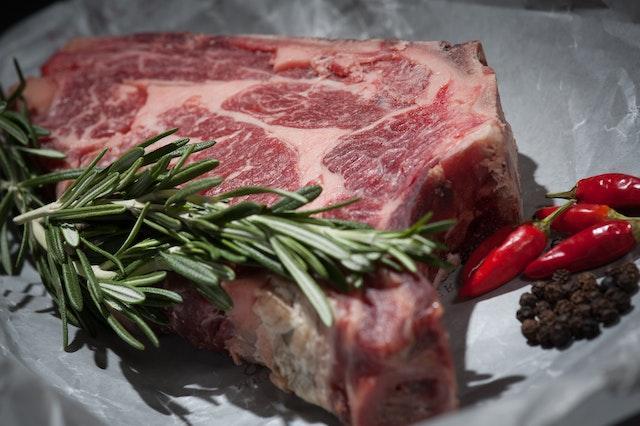
– Top or bottom beef leg steak (23 g protein per 85 g serving).
– Lean ground beef (18 g protein per 85 g serving).
– Pork chops (26 g protein per 85 g serving).
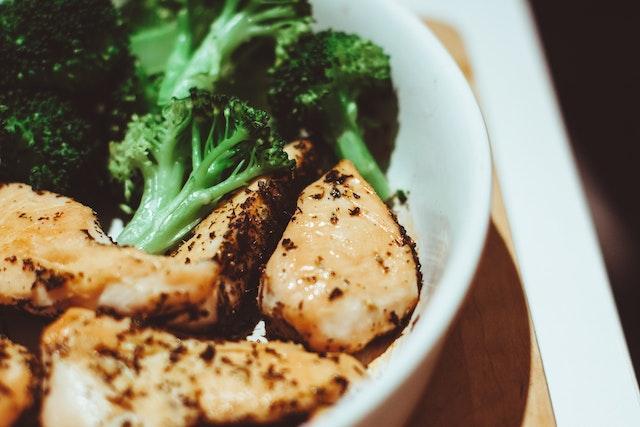
– Skinless chicken breast (24 g protein per 85 g serving).
– Turkey breast (24 g protein per 85 g serving).
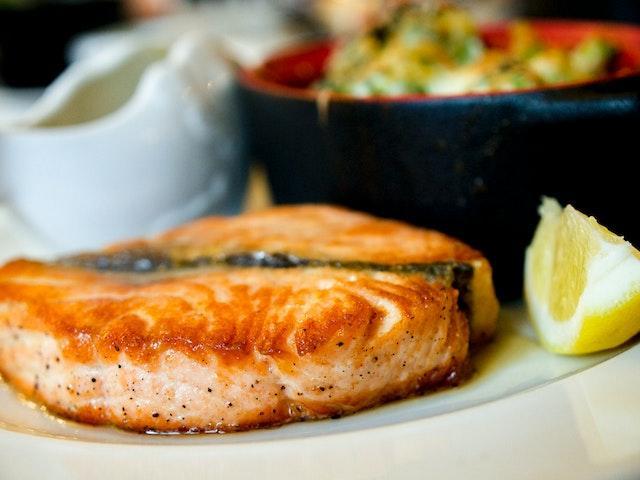
– Sockeye salmon (23 g protein per 85 g serving).
– Yellowfin tuna (25 g protein per 85 g serving).
Dairy products with high protein content are:
– Greek yogurt (23 g protein per 240 ml serving).
– Cottage cheese (14 g protein per half glass).
– Eggs (6 g protein in one large egg).
– 2% milk (8 g protein per glass).
